Promotional Incentives Reshaping Choices in Online Slot Gaming
Logan Schmid · Oct 25, 2026
Promotional Incentives Reshaping Choices in Online Slot Gaming
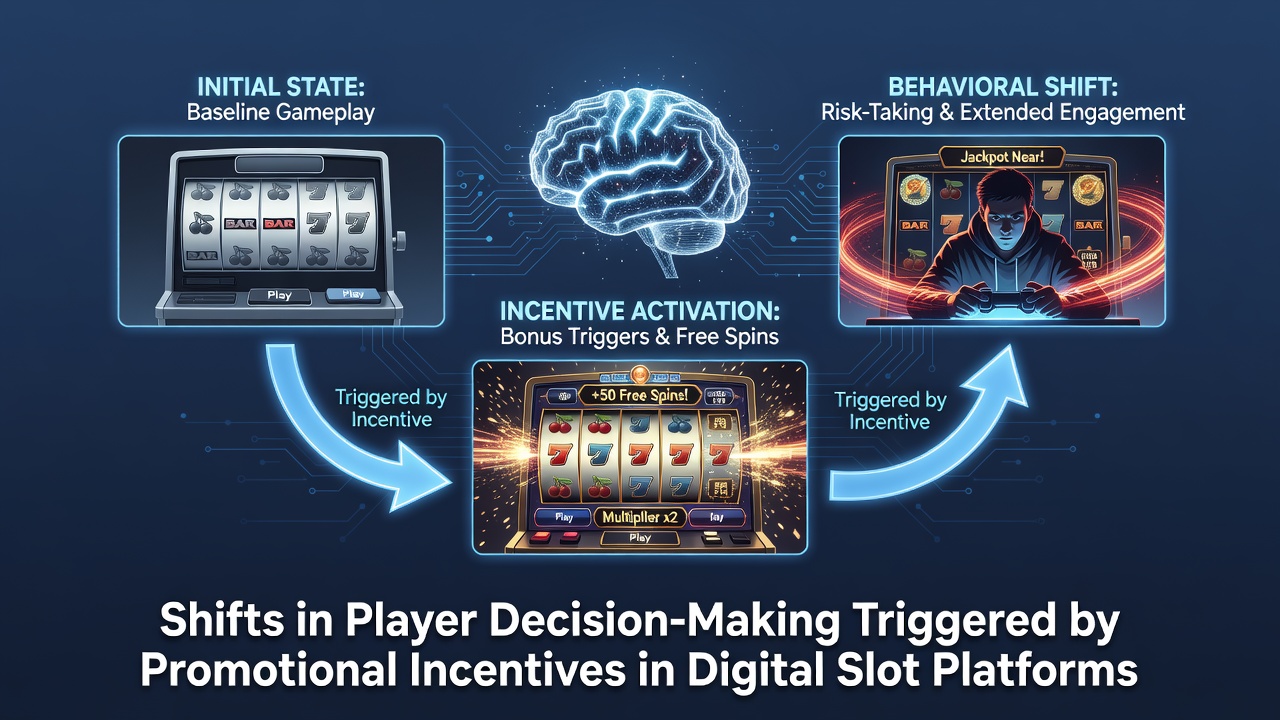
Digital slot platforms have seen measurable changes in how players select games and manage their sessions when promotional incentives enter the picture, and these patterns continue to evolve through late 2026. Operators deploy deposit matches, free spin bundles, and cashback structures that alter the immediate cost-benefit calculations users make before spinning the reels. Research from academic and regulatory sources shows consistent movement toward higher-volatility titles during active promotions, while baseline play often favors steadier options once incentives expire.
Core Incentive Types and Their Reach
Free spin allocations tied to specific titles lead players to sample games they might otherwise skip, according to platform telemetry collected across multiple jurisdictions. Deposit-based offers encourage larger initial commitments, shifting users toward progressive jackpot slots that carry elevated risk profiles. Cashback programs, by contrast, support extended sessions on mid-tier volatility games because they reduce the perceived downside of continued play. Data released in October 2026 from several European operators indicated that free spin promotions accounted for nearly forty percent of new title trials during that month.
Observed Changes in Selection Patterns
Players adjust their decision criteria when incentives appear, moving away from familiar low-stake machines toward unfamiliar high-payout variants that align with the bonus terms. This migration happens quickly, often within the first hour of a promotion launch, and reverses once the offer window closes. Observers note that session length increases by twenty-five to thirty-five percent on average during active free spin campaigns, while average bet sizes rise when deposit matches require minimum wagers. Those patterns hold across both desktop and mobile interfaces, though mobile users show slightly faster shifts because push notifications keep the incentive visible.
Evidence from Regulatory and Academic Sources
Figures compiled by the Nevada Gaming Control Board reveal that promotional play represented an increasing share of total handle through the first three quarters of 2026, with corresponding changes in game-type distribution. A separate analysis conducted by researchers at the University of Sydney tracked account-level data and found that users receiving targeted free spin offers selected new games at nearly twice the rate of non-incentivized peers. These findings align with earlier work from Danish regulatory records, which documented similar preference reversals when cashback thresholds were introduced.
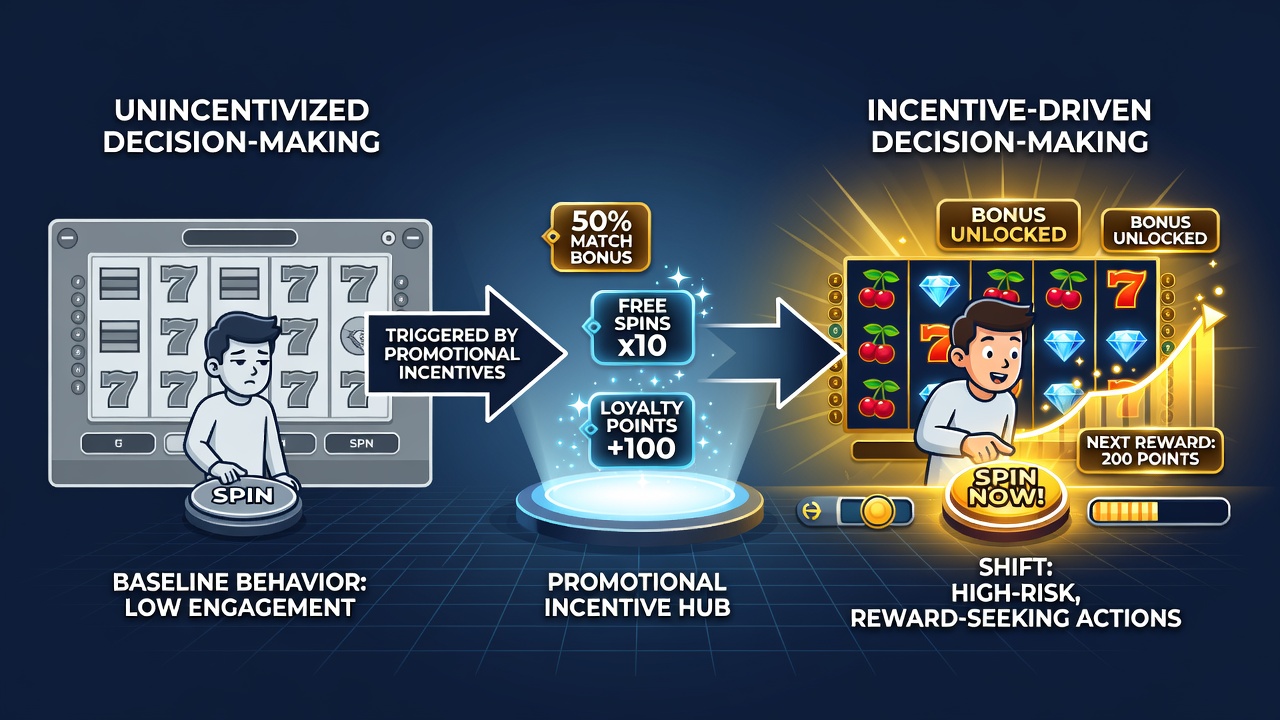
What's interesting is how quickly these adjustments stabilize once the promotion ends. Users frequently revert to previous favorites within forty-eight hours, yet repeat exposure to the same incentive structure can embed longer-term changes in preferred volatility levels. Platform operators adjust their incentive calendars accordingly, spacing offers to avoid habituation while still capturing the decision shifts that boost engagement metrics.
Regional Variations in Player Response
North American markets show stronger movement toward jackpot-linked games during deposit promotions, whereas European users demonstrate more balanced exploration across volatility bands when free spins are involved. Australian data collected through state licensing bodies points to extended session times rather than dramatic game switches, suggesting cultural or regulatory differences in how incentives land. Industry reports from the European Gaming and Betting Association further highlight that players in regulated markets respond more predictably to transparent terms, reducing erratic switching between titles.
Take one longitudinal study that followed several thousand accounts across two years and recorded that repeated incentive exposure gradually lowered the threshold at which players would try high-volatility options even without active bonuses. This gradual embedding of new preferences occurs alongside stable overall spend levels, indicating redistribution of activity rather than simple escalation.
Conclusion
Promotional incentives continue to drive measurable, reversible shifts in how players choose and persist with digital slot content. Regulatory data from multiple regions and academic tracking studies confirm that game selection, session duration, and volatility preferences all respond to the structure and timing of offers. As platforms refine their targeting through 2026 and beyond, the core dynamic remains the same: incentives temporarily reorder decision criteria, and the resulting patterns provide operators with clear signals for future campaign design.