Tracing the Path of Premium Casino Incentives from Initial Design to Player Receipt
Freya Klein · Oct 11, 2026
Tracing the Path of Premium Casino Incentives from Initial Design to Player Receipt
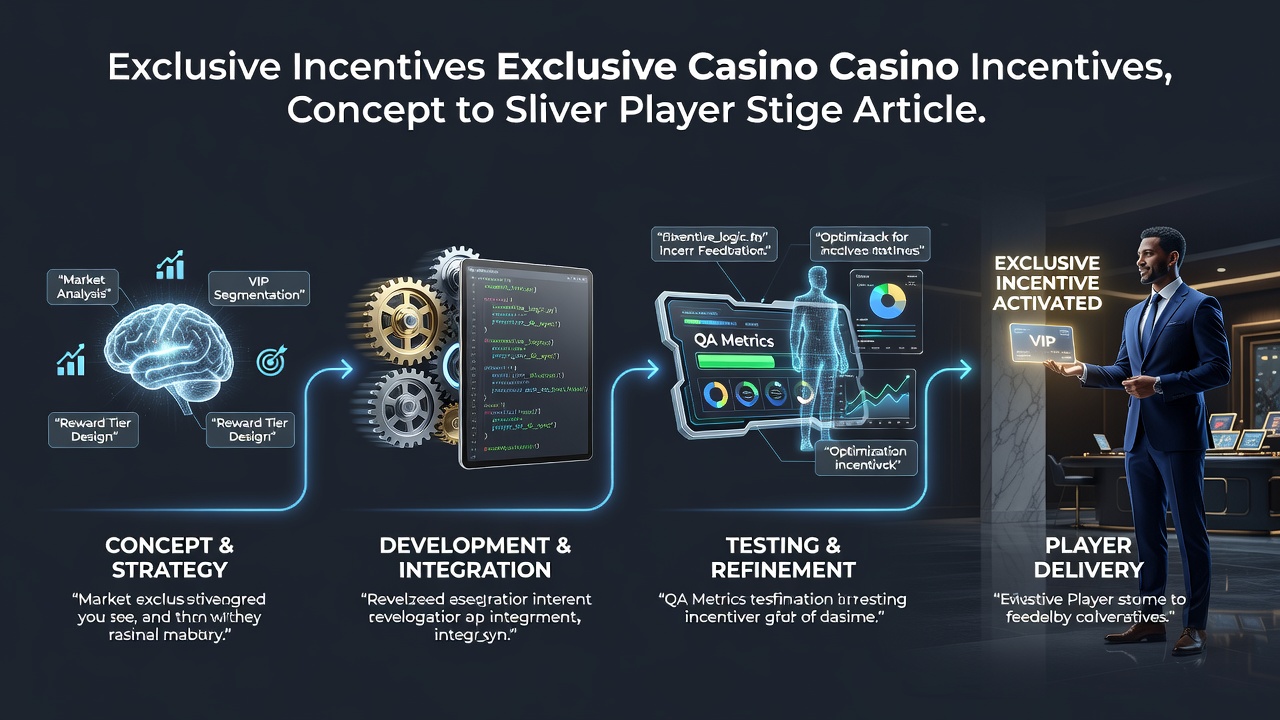
Exclusive casino incentives follow structured pathways that begin with market analysis and end with direct player access, and industry data from regulatory bodies track these sequences across multiple jurisdictions. Teams at gaming operators start by reviewing player behavior patterns through aggregated transaction records, then identify opportunities for customized reward structures that align with regional compliance standards. Research from the American Gaming Association shows that incentive programs undergo initial scoping phases where budget allocations, target demographics, and risk parameters receive detailed evaluation before any promotional mechanics receive approval.
Early Planning and Regulatory Alignment
Operators consult licensing authorities early in the cycle to confirm that proposed incentives meet legal thresholds for fairness and transparency. In October 2026, updates from the Nevada Gaming Control Board highlighted new reporting requirements for high-value reward tiers, prompting several operators to adjust their internal review timelines accordingly. These adjustments involve cross-functional groups that include legal specialists, data analysts, and marketing strategists who together map out eligibility criteria and redemption limits while ensuring all elements remain consistent with existing statutes.
Concept Refinement Through Data Inputs
Once preliminary ideas take shape, analysts feed historical engagement metrics into simulation models that forecast participation rates and payout distributions. One study released by researchers at the University of Nevada, Reno, examined how segmented player cohorts respond to tiered loyalty structures, and the findings revealed measurable differences in retention when reward values scale according to deposit frequency. Those models help refine parameters such as minimum wagering thresholds and maximum redemption caps, and the resulting prototypes move forward only after internal audits confirm statistical viability.
Design Customization and Technical Integration
Design teams translate approved concepts into executable formats that integrate with existing platform architectures, and this stage often requires collaboration with third-party software providers who supply the backend systems for tracking and fulfillment. Customization includes tailoring visual assets, defining trigger conditions for bonus activation, and embedding fraud-detection filters that monitor unusual activity patterns. Figures from the Australian Communications and Media Authority indicate that technical compliance checks during this phase account for a significant portion of overall development time in licensed markets.
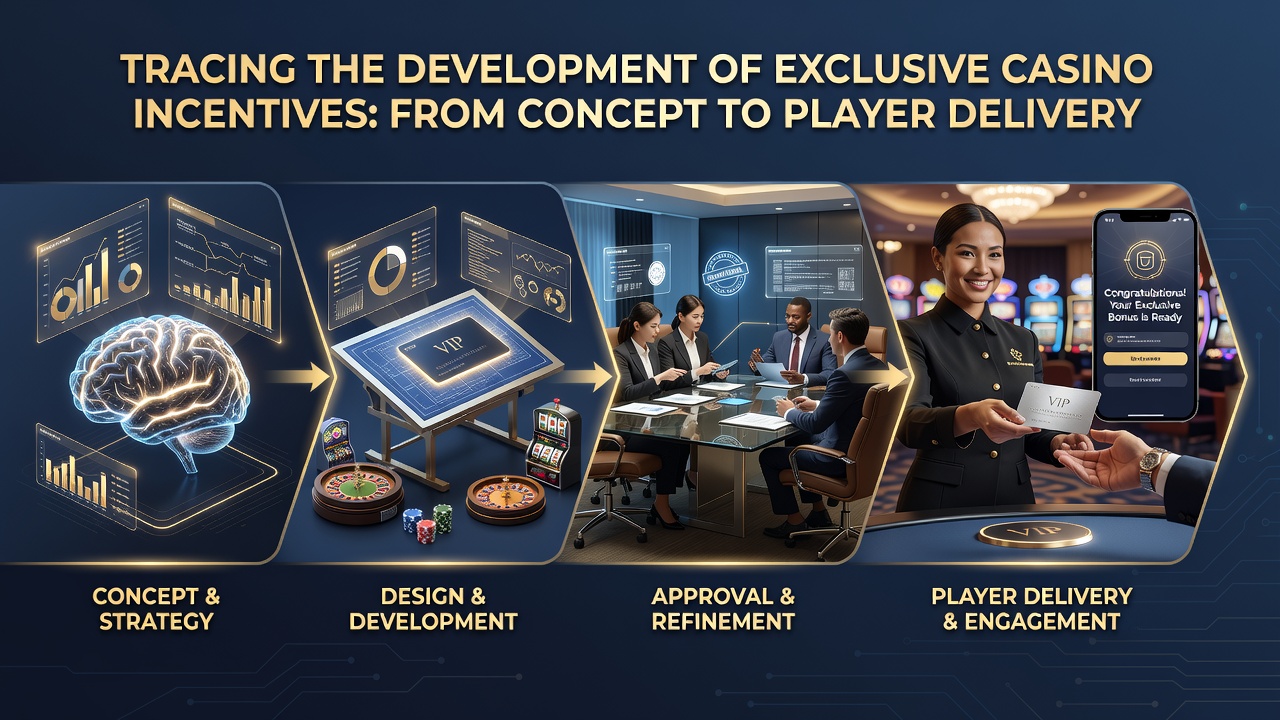
Testing protocols follow integration, and these involve controlled rollouts to limited user segments that allow teams to measure system stability and user interface responsiveness. Observers note that beta phases typically last between two and four weeks, during which feedback loops capture any discrepancies in reward crediting or eligibility calculations. Adjustments made at this point prevent larger-scale issues once full distribution begins.
Final Approval and Distribution Mechanics
After successful testing, final sign-off comes from compliance officers who verify that all documentation, terms, and promotional disclosures meet jurisdictional standards. Distribution then occurs through automated systems that trigger rewards based on predefined player actions, such as completing a qualifying deposit sequence or reaching a loyalty milestone. Notifications reach players via in-app messages or email, and redemption interfaces provide clear instructions along with real-time balance updates. Industry reports from the Canadian Gaming Association document that automated delivery systems have reduced manual processing errors by measurable margins in recent operational cycles.
Monitoring and Post-Delivery Adjustments
Once incentives reach players, ongoing surveillance tracks redemption rates, dispute volumes, and any emergent compliance concerns. Operators compile performance summaries that feed back into future planning rounds, and these summaries often highlight opportunities for refinement in subsequent incentive cycles. Data shared through trade associations demonstrate that iterative improvements based on delivery metrics contribute to sustained program effectiveness across different market conditions.
Conclusion
The complete progression from initial concept through regulatory review, technical build, testing, and player delivery forms a repeatable framework that licensed operators apply consistently. External oversight from bodies such as the Nevada Gaming Control Board and the Australian Communications and Media Authority maintains alignment with legal requirements, while internal data systems support precise execution at each stage. This structured approach allows exclusive casino incentives to move from abstract planning documents to tangible player benefits under controlled conditions.